

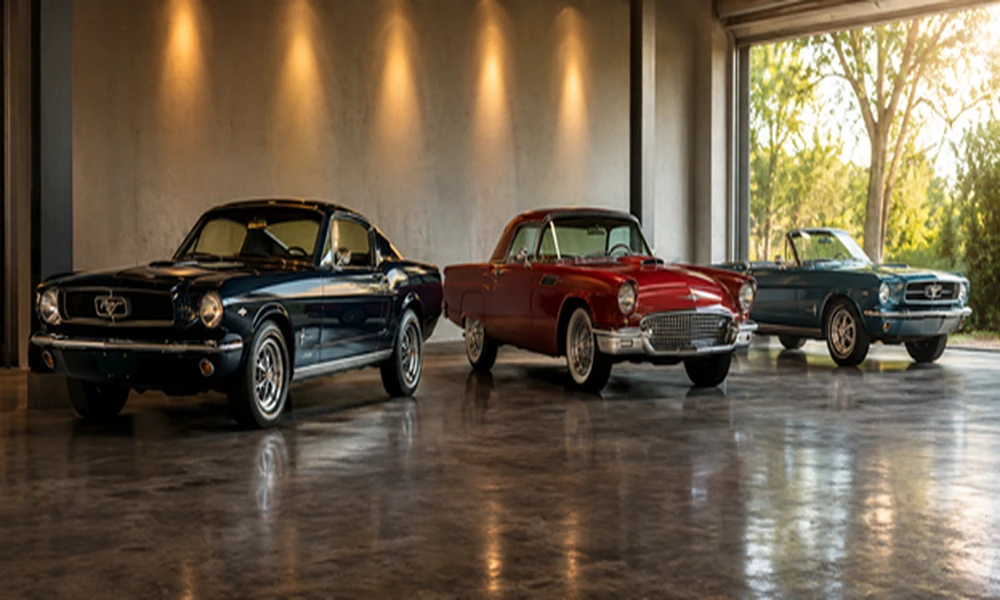
Buying a classic car is rarely just a matter of finding the most recognizable badge or the model with the most striking bodywork. The right choice depends on what you want from the car, how much involvement you expect ownership to require, and which period of automotive history genuinely interests you.
That is especially true when considering classic Fords. The brand’s long history gives collectors everything from early motoring icons to convertibles, performance cars, utility vehicles, and distinctive coupes.
Before deciding which vehicle belongs in your garage, work through a few practical questions that can help turn a broad wish list into a sensible shortlist.
Decide What You Want From the Car
Start with how you expect to use the vehicle.
Someone searching for a car to take to occasional shows may have very different priorities from an owner who wants regular weekend drives. A collector interested primarily in historical significance may also evaluate vehicles differently from someone who cares most about styling, performance, or driving enjoyment.
Think about the experience you want rather than simply asking which model is considered the most collectible.
Do you want an early automobile that represents an important period in motoring history? A comfortable cruiser? A performance-oriented car? A convertible for recreational drives? A rugged vintage vehicle with a completely different personality?
Defining the purpose of the purchase helps eliminate attractive cars that may not actually suit the way you intend to enjoy them.
Choose an Era Before Choosing a Model
If your shortlist currently includes vehicles separated by several decades, narrowing down the period can make the search much easier.
Different generations of automobiles offer noticeably different ownership and driving experiences. Styling, cabin layout, mechanical systems, road manners, available features, and maintenance expectations can all change considerably between eras.
Rather than immediately choosing one famous nameplate, explore several representative cars from the periods that interest you. A guide to notable ford classic cars can provide a useful starting point for comparing models ranging from early automobiles to mid-century cruisers, performance cars, and vintage utility vehicles.
From there, ask which era appeals to you most.
This approach prevents a common problem: becoming attached to one model before understanding whether that type of vehicle actually matches your expectations.
Consider Originality and Restoration Carefully
Once you know the kind of car you want, determine how important originality is to you.
Collectors do not all approach this question the same way. Some appreciate vehicles preserved as closely as possible to their historical configuration. Others prefer properly restored cars, while some owners are comfortable with tasteful modifications that make a classic easier to use regularly.
There is no single correct answer. What matters is knowing what you are buying.
A beautifully presented vehicle may have undergone substantial restoration. Another car may retain more original components while showing considerably more age. Modifications can also range from minor changes to major alterations affecting the engine, suspension, brakes, interior, or body.
Before purchasing, learn what has been changed and why. Ask for available documentation, restoration photographs, receipts, ownership records, and other paperwork that may help establish the vehicle’s history.
The more significant the purchase, the more important it becomes to distinguish appearance from documented condition.
Evaluate the Individual Car, Not Just the Model
A desirable model name does not automatically make every example a desirable purchase.
Two vehicles from the same year can have completely different histories. Storage conditions, previous repairs, corrosion, accident damage, neglected maintenance, restoration quality, and modifications can all affect what ownership will look like after the purchase.
That is why inspection matters.
Look beyond polished paint and a clean interior. Structural condition, signs of corrosion, mechanical health, electrical systems, fluid leaks, tires, suspension components, and evidence of previous body repairs deserve attention.
When possible, have a knowledgeable specialist inspect a vehicle before completing a significant purchase. Someone familiar with older cars may notice problems that are easy to overlook during an enthusiastic first viewing.
Documentation deserves similar attention. Confirm identifying information and review whatever service, restoration, and ownership records are available. When a seller makes a specific claim about originality or history, look for supporting evidence rather than assuming the claim is correct.
Think Beyond the Purchase Price
The amount paid for a classic car is only one part of the ownership decision.
Storage, insurance, routine servicing, unexpected repairs, transportation, detailing, and replacement parts may all need to be considered. Some vehicles can be relatively straightforward to maintain, while others may require specialist knowledge or harder-to-find components.
Think about your own situation as well.
Do you have secure storage? Are there mechanics in your area who are comfortable working on older vehicles? Are parts reasonably obtainable for the model you are considering? Are you willing to spend time tracking down unusual components?
These questions are less exciting than choosing paint colors or engine configurations, but they often have a greater effect on long-term enjoyment.
A classic that fits your available space, maintenance tolerance, and intended use can be far more satisfying than a supposedly more prestigious car that becomes difficult to own.
Let Personal Interest Guide the Final Decision
Research can help you avoid mistakes, but collecting classic cars is not purely an analytical exercise.
Historical importance, rarity, condition, and ownership costs all deserve consideration, yet personal connection matters too. Perhaps a particular body style reminds you of cars you saw growing up. Maybe you prefer the simplicity of an earlier design or the character of a particular period.
Once you have narrowed the field to vehicles that make practical sense, give that personal preference some weight.
The car you continue looking back at after walking across a show field may tell you more about your ideal choice than somebody else’s list of must-own classics.
Conclusion
Choosing a classic Ford becomes easier when you begin with the ownership experience you want rather than a famous model name.
Identify your preferred era, decide how much originality matters, research the history of individual vehicles, inspect condition carefully, and account for the realities of long-term ownership. Then compare the remaining candidates according to the factor that makes classic-car ownership worthwhile in the first place: how much you will actually enjoy having the car in your garage and taking it out on the road.